I’ve been a queer wedding photographer for more than 15 years. A lot has changed in that time, especially when it comes to LGBTQ+ couples and the wedding industry in Puerto Rico.
When I started around 2011, I rarely saw queer weddings represented publicly. I’m sure couples were celebrating their love privately, finding ways to make commitments to each other even when the world wasn’t ready to recognize them. But in the wedding industry? Those stories were practically invisible. Same-sex weddings weren’t part of the picture most people had in mind when they thought about weddings. The traditions, the expectations, the roles each person was supposed to play. Everything seemed to follow a very specific script.
At the time, I couldn’t have guessed how completely the script would be rewritten. I also didn’t know how much I’d have to reconsider my own role in an industry where I wasn’t always sure how welcome someone like me would be.
The First Queer Wedding I Photographed in Puerto Rico
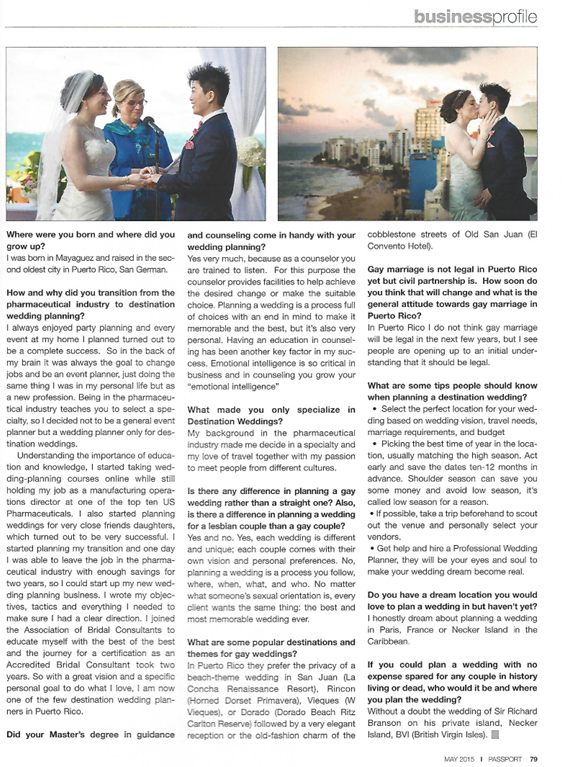
I’ll always be grateful that Xingxia Zhang and Susan Stoever were the first queer couple I photographed. In 2014, they celebrated their love at La Concha in San Juan, in a symbolic ceremony coordinated by María Lugo, who has since retired. At the time, same-sex marriage still wasn’t legally recognized in Puerto Rico.

But their story had already reached beyond the island. In June 2013, a photograph of Xingxia and Susan embracing outside the Stonewall Inn in New York appeared in The New York Times, following the Supreme Court’s rulings on same-sex marriage. There they were, two women in love, taking up space and making themselves visible at a moment when that visibility mattered. Looking back, I’m struck by how courageous they were. They weren’t waiting for everyone to approve of their relationship before allowing themselves to be seen. They were part of a movement demanding that their love, their commitment, and their lives be recognized. I’m grateful that, in my own small way, I got to be part of their story, too.
Passport magazine featured their wedding, and photographing them gave me a memory I still carry with me. They were my first queer couple, but they wouldn’t be the last. In the years that followed, marriage equality came to Puerto Rico, and more same-sex couples began reaching out to me to document their weddings. Little did I know how deeply that first experience would mean to me years later. When I think about the changes I’ve witnessed in this industry, I think about Xingxia and Susan. I’m thankful they trusted me with their story, and that they were brave enough to let the world see it.

Then came June 2015.
As same-sex marriage became legal in Puerto Rico in 2015, the island was also being promoted as a destination for LGBTQ+ weddings. I remember that period as a turning point. More couples began reaching out to me, and weddings that had once been largely absent from public representation were becoming part of the conversation about Puerto Rico as a wedding destination.
A wave of couples who had been eager to marry finally had the opportunity to do so legally here. The excitement was palpable. People who had waited years could celebrate their relationships with the legal recognition that had been denied to them. Unfortunately, with that visibility came backlash, too. The more openly same-sex couples celebrated their queer weddings, the more visible the disapproval became. There were people who welcomed these changes and people who made their opposition known. It was a reminder that legal recognition and social acceptance aren’t the same thing.
Still, I was witnessing something I hadn’t seen when I first started photographing weddings. Queer couples were becoming part of the wedding industry’s visible landscape. Their stories were showing up in portfolios, publications, and conversations that had largely excluded them before.
The industry was changing, and so was my understanding of what my place in it could be.

Being Queer in the Wedding Industry
For a while, I felt pressure to keep my identity separate from my professional image. I wanted to do my job, build my business, and avoid giving people a reason to reject me before they even knew me. But there’s a cost to constantly measuring how much of yourself you can show. You start making decisions around other people’s comfort. You wonder what you can say, what you should leave unsaid, and which parts of your life might make someone reconsider working with you. Even when you aren’t actively hiding, you can spend a lot of energy trying to remain acceptable. Eventually, me cansé de jugar ese juego.
How Hurricane María Changed My Perspective
My decision to become more open didn’t happen in one dramatic moment. It was gradual. I wanted to be more authentic, to stop separating so much of who I was from the work I put into the world.
But Hurricane María was a turning point for me.
The hurricane destabilized my life in ways I couldn’t have anticipated. I lost my home and was forced away from spaces and routines that had once felt familiar. So much of what I knew disappeared or changed overnight. When you experience that kind of loss, your priorities shift. You start questioning what deserves your energy. You realize how little control you have over some things, and how much time you’ve spent worrying about others.
Being displaced also gave me distance from parts of the professional world I had been trying so hard to navigate. That distance helped me recognize something uncomfortable: I was already being excluded from certain spaces. I had spent so much time worrying that being openly queer might cost me acceptance, opportunities, and relationships. Yet some of that acceptance had never been as secure as I’d imagined. After María, I felt like I was starting over. And if I was going to rebuild my life and my business, I wanted to do it around what mattered to me. I wanted to prioritize what felt authentic instead of continuing to shape myself around other people’s expectations.
I remember reaching a point where I thought, if someone is going to discriminate against me, they might as well have all the information. It wasn’t that I suddenly stopped being afraid. It was that the fear no longer felt worth organizing my life around. That decision felt like a new beginning. I became more intentional about being open about who I was and what I stood for. I wanted queer couples to know they didn’t have to guess whether I’d understand them or respect their relationship. I wanted people who shared my values to recognize that they had a place with me. And I wanted to stop treating my identity as something that needed to be carefully managed to protect my business.

What being open gave me, and what it cost me
Being openly queer in my business hasn’t come without consequences. I’ve lost opportunities and professional relationships. I’ve had to accept that some people won’t work with me because of who I am or what I stand for.
I can’t always know why someone didn’t inquire, why a referral never came through, or why a relationship changed. I won’t pretend I can attribute every lost opportunity to my identity. But I know that visibility carries risks, especially in an industry where professional networks and personal relationships can be closely intertwined.
The difference now is that I no longer measure success by how widely I’m accepted within the industry.
“I care more about the relationships I build with my clients than whether my colleagues approve of me. I care more about how couples feel when they’re in front of my camera than whether everyone around me agrees with the values behind my work. That shift has made my business feel more aligned with who I am.”
It has also made red flags easier to recognize. When I’m clear about my identity and values, I can often see sooner when someone isn’t a good fit. I don’t have to spend as much time trying to figure out whether a person will respect me or my couples. Their response to what I stand for tells me something important.
Not everyone will accept me. Not everyone will understand my choices. And that’s okay. I’d rather build a business where the right people feel genuinely welcome than spend my career trying to appeal to everyone.
How Being a Queer Wedding Photographer Shapes My Work
Growing up, I often felt like the odd one out. I know what it’s like to feel as though you’re not quite what people expect you to be.
Over the years, I’ve met couples who carry that same feeling into their wedding planning. Some worry about whether their relationship will be understood. Others feel pressure to fit a particular image of what a bride, a groom, or a wedding should look like. Sometimes those expectations come from the wedding industry itself. I’ve seen situations where couples felt pressured to do things that didn’t align with who they were. A bride might want to wear a suit, only to face pressure to wear a dress. Couples might feel pushed into traditional roles because a vendor assumes that’s how weddings are supposed to work. When I see that happening, I want to advocate for my clients. Your wedding should reflect the two of you, not someone else’s expectations of what your relationship ought to look like. That same belief shapes the way I photograph people.

The wedding industry has a narrow idea of beauty. Certain bodies, faces, relationships, and aesthetics get celebrated over and over, while others receive far less visibility. I’ve always felt drawn to photographing the people who might not see themselves represented in that ideal. We all feel inadequate sometimes. We compare ourselves to images that tell us what beauty is supposed to look like, and we can mistake those feelings for facts about ourselves. But feeling like you don’t measure up doesn’t mean you don’t deserve to be seen beautifully.
I want my couples to recognize themselves in their photographs. I want them to see their own beauty, their connection, and the things that make their relationship theirs. Not a version of themselves shaped around someone else’s standards. It’s part of why I photograph the people the wedding industry overlooks, and why this work means so much to me. For me, that’s part of the responsibility that comes with this work. It’s also part of what gives it meaning.
When someone who has spent years feeling like the odd one out stands in front of my camera and feels comfortable being themselves, that matters to me. When a couple trusts me with a part of their story they aren’t sure everyone will understand, I don’t take that lightly. I know that trust isn’t automatic. It’s something I have to earn.
Fifteen Years of Change, and What Still Needs to Change
When I look at the wedding industry today, I see couples challenging expectations that once seemed almost unquestionable. Weddings have become more personal in so many ways. Couples are making decisions based on what feels right to them, rather than simply following traditions because that’s what everyone expects.
There’s still plenty of work to do. Visibility doesn’t erase prejudice, and a more inclusive industry doesn’t mean every couple feels safe with every vendor. But I’ve witnessed real change, and I’ve had the privilege of documenting some of those stories along the way.
My own relationship with visibility has changed, too. I’ve learned that being authentic doesn’t guarantee acceptance. Sometimes it means losing things you wanted to keep. Sometimes it means discovering that certain relationships were dependent on you remaining quiet. But it also means making room for something more meaningful. I can’t promise that every person who visits my website will agree with my values. I can’t make everyone comfortable with who I am. And after all these years, I don’t think that’s my job.
My job is to photograph people with care, to respect the stories they entrust to me, and to create space where they don’t have to explain or defend their love.
I’m a lesbian wedding photographer in Puerto Rico. That identity is part of my life, my perspective, and the way I approach this work. I don’t need to separate those things anymore. Fifteen years ago, I could hardly see queer weddings represented in the industry I was entering. Today, I get to photograph couples who are choosing to celebrate openly, on their own terms, and in ways that reflect who they are. I’m proud to be part of that change. And I’m grateful to every couple who has trusted me with their story along the way.

Follow Along
Looking back, I couldn’t have imagined all the stories I’d get to photograph, or how much this work would teach me about visibility, belonging, and the courage it takes to be yourself. I’m still learning. I’m still photographing love. And I’m glad I no longer feel the need to hide the person behind the camera.
If you’d like to keep up with my work and the things that inspire me, you can find me on Instagram, where I share recent weddings, glimpses of life in Puerto Rico, and moments from behind the camera. You can also find more wedding inspiration and ideas for celebrating on your own terms on Pinterest.
Un abrazo,