
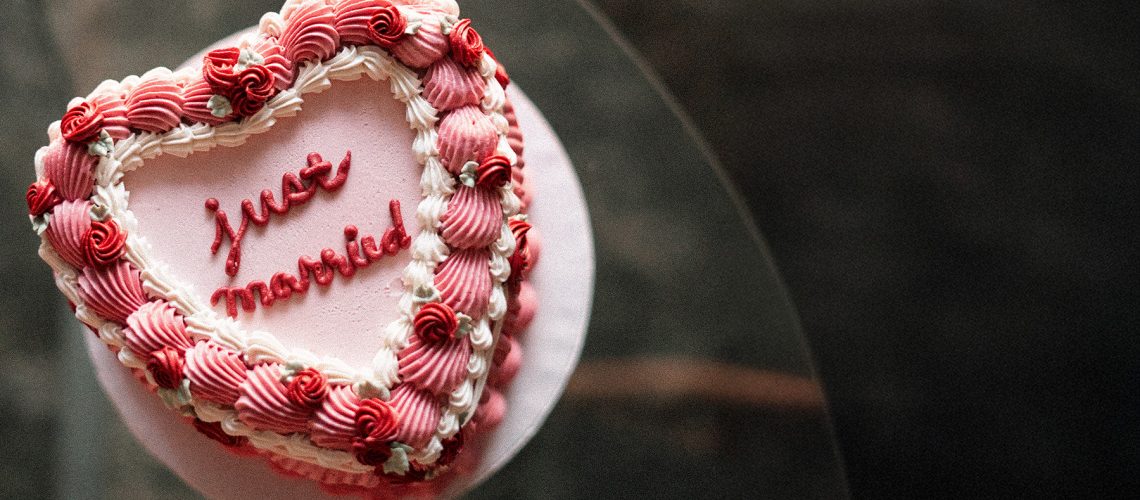
Apart from being a queer photographer, I’ve also been the bride.
Before I got married, I spent years inside the wedding industry photographing other people’s celebrations. Hundreds of weddings. Joy, chaos, tenderness, family tension. Every version of love showed up in front of my camera. Then my wife and I got engaged. And we made a decision many people did not expect. We eloped.
Why We Chose to Elope
Our decision did not come from a lack of love for community. I spent years witnessing how powerful weddings feel when people gather to celebrate. The dancing, the loud tias, the emotional speeches. Todo eso matters. But our decision came from a different place. We wanted to protect our joy.
Working inside the wedding industry gives you a close view of how weddings function. You see the beauty. You also see the friction. For LGBTQ couples, celebration does not always arrive without conditions. Sometimes joy requires intention. Sometimes safety requires planning.
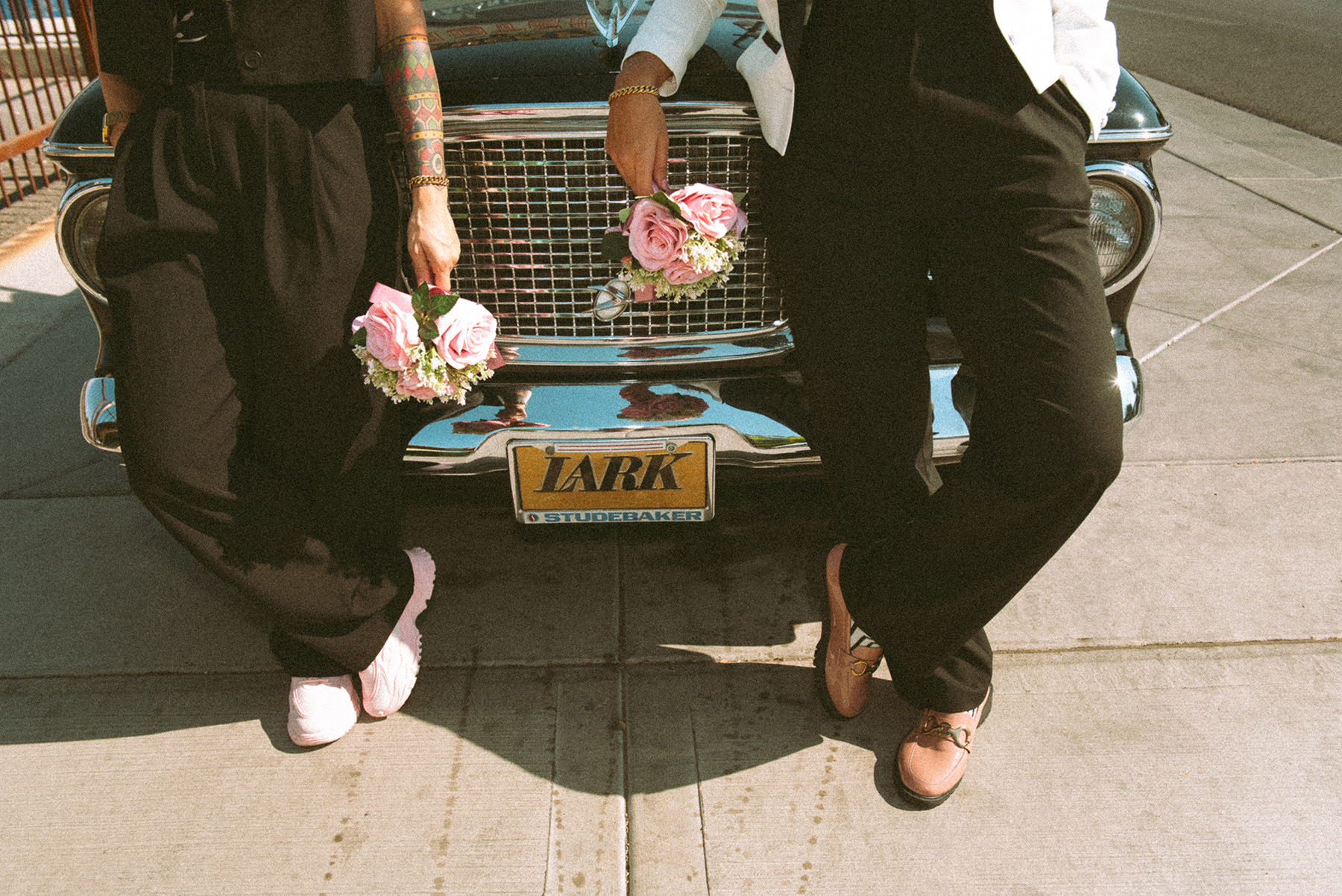
Why We Chose Las Vegas for Our LGBTQ Elopement
We travelled to Las Vegas. People often associate Vegas with quick ceremonies and neon lights. For us the decision centered on something simpler. We wanted a place where queerness felt normal. Our marriage felt visible. Protected and ordinary in the best way.
Many couples assume beauty equals safety. Even though the marketing language of many may sound inclusive. I know real safety works on a deeper level. Safety lives in behaviour, In quality of interactions. In the words vendors choose when speaking about your relationship. Inclusive language is easy. But real safety is comprehensive.
As a queer person working in the wedding industry, I learned to read those signals early. Many vendors present themselves as inclusive because the market demands it. While some support queer couples because they believe in the work. Others see business opportunity.
Choosing Vendors Who Truly Understand LGBTQ Couples
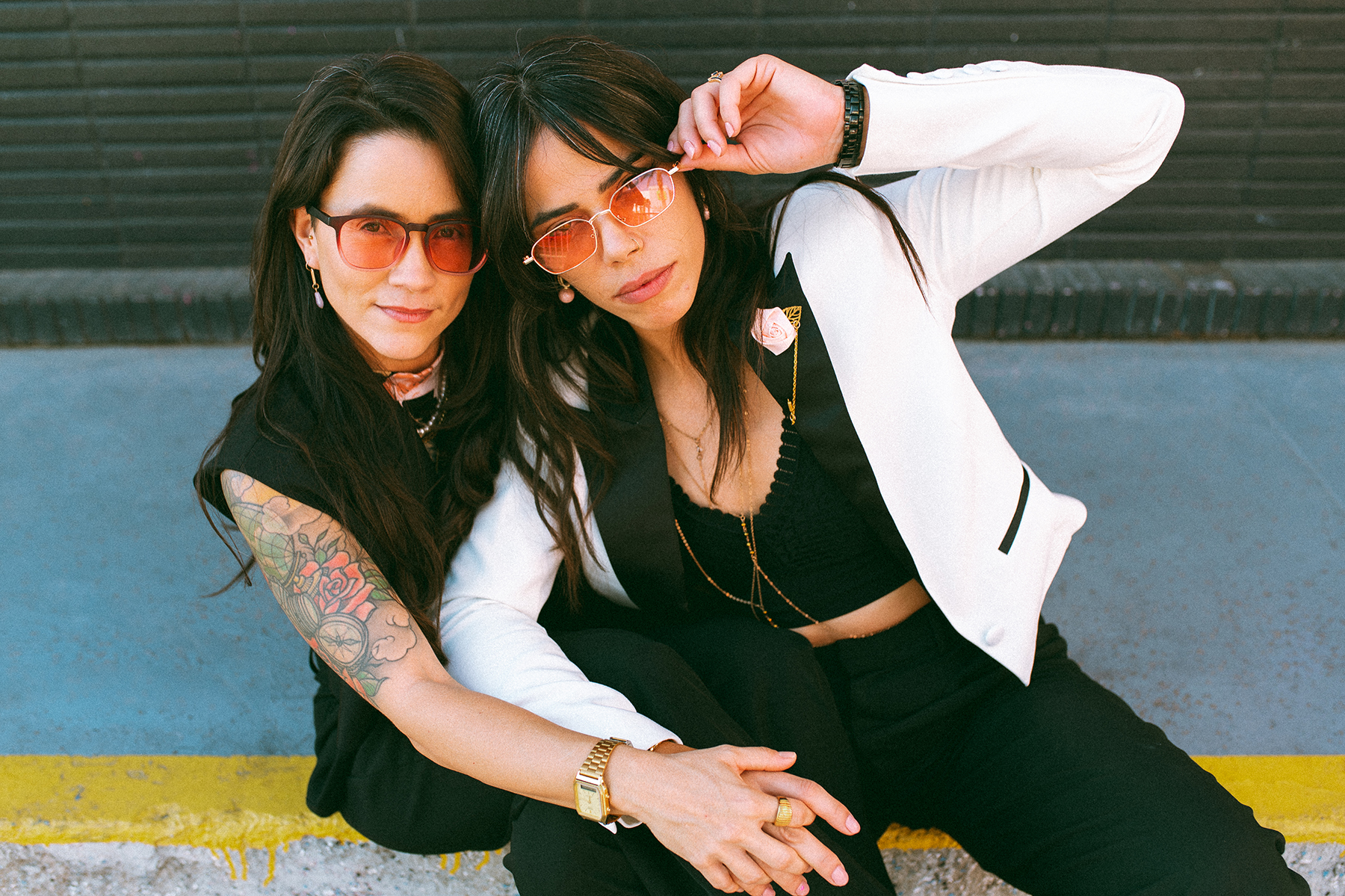
When we planned our elopement, we intentionally chose vendors within the LGBTQ community. Our photographer, Diana Jean, is queer and her partner was there as well. From the moment we arrived, there was nothing to explain. No one asked who played which role. No one adjusted their language halfway through a sentence. No awkward pauses. No strange energy. We were simply understood. The relief felt immediate. And frankly, that sense of ease mattered more than any aesthetic detail.
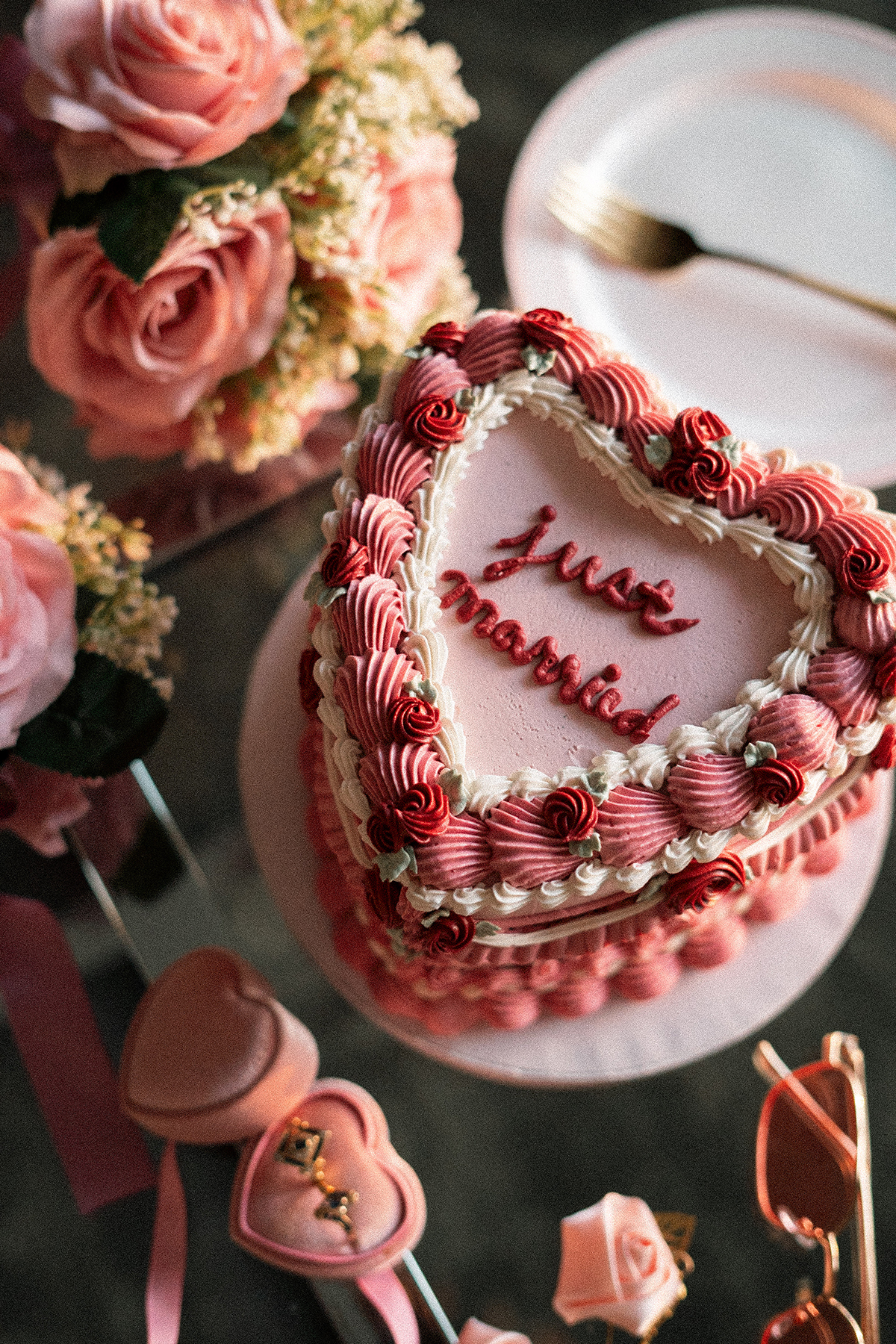
Wedding cake by Jamie’s Bakery
What Changed When I Became the Client
Working as a Puerto Rico wedding photographer over the years, I’ve witnessed moments that don’t always register in the rush of a wedding day, but they land. One that repeats more often than it should: an officiant standing in front of a queer couple and defaulting to “husband and wife.” Not once, not accidentally, but because they didn’t take the time to adapt their language.
It might sound small to someone outside of it. But it isn’t. In a ceremony that’s supposed to reflect who you are, being misnamed in real time creates a disheartening rupture. And it’s preventable.
To me, that kind of oversight doesn’t read as neutral. It reads as inattentive at best and at worst, as a signal that the work of inclusion wasn’t actually done. That the booking was accepted, but the responsibility that comes with it wasn’t. There’s a difference between being available to queer couples and being prepared to honor them fully.
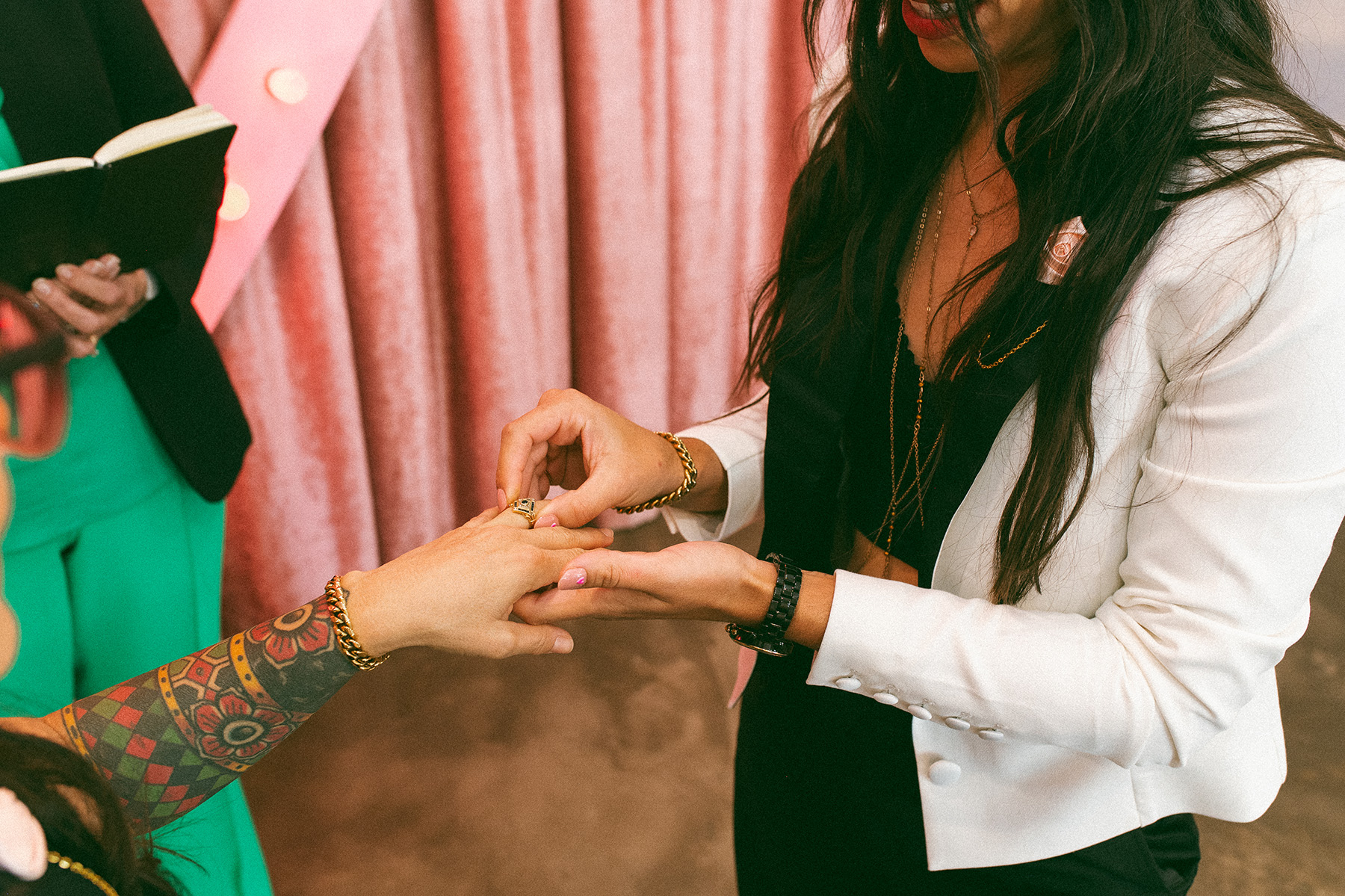
I’ve come to understand that couples don’t just hire vendors for their skill or aesthetic. They are inviting people into one of the most emotionally exposed days of their lives. It’s not just about execution, it’s about whether someone has done the work to show up with awareness.
Because the right environment doesn’t happen by accident. It’s built through attention, through respect, through choosing people who see you clearly and make sure you stay seen.
Why Intimacy Matters More Than Spectacle
Our elopement reminded me how little spectacle matters. The wedding industry often measures celebration by scale: Guest count, decor, production. Queer experience teaches a different lesson; That intimacy carries weight. You do not need an audience for love to hold meaning. You do not need approval for joy to exist. Sometimes the most meaningful celebration look unostentatious. Intentional and a little unconventional. Like our elopement, which felt grounded, calm and above all, ours.
That decision influenced how I approach every wedding I photograph. Safety sits at the center of that approach. Not just physical safety, but emotional safety. The ability to be fully seen without performance, without tension, without the subtle (or not-so-subtle) pressure to make others comfortable at the expense of your own truth.
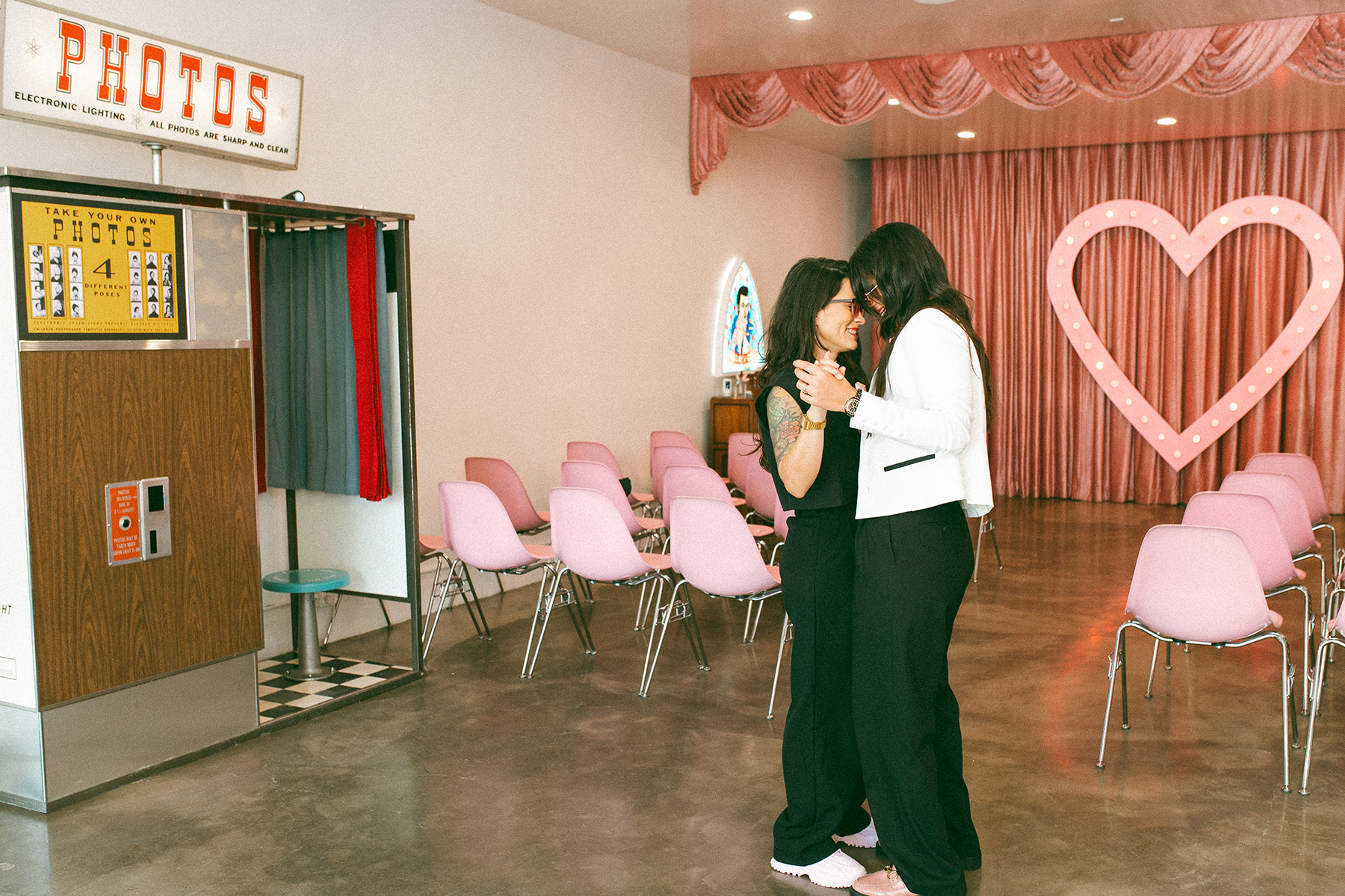
This is why, as a wedding photographer, I often guide couples. Especially queer couples with chosen family or smaller, more intentional circles toward elopements or micro weddings. Not because they are “less than,” but because they can be more aligned. When your guest list is built with care rather than obligation, the entire atmosphere shifts. You’re not managing dynamics. You’re not anticipating reactions. You’re not splitting yourself between celebration and self-protection. You get to arrive fully. Elopements and micro weddings create space for that kind of presence. They allow for authenticity.
If you’re considering something more intimate, you can explore how I approach elopement photography or learn more about micro weddings and whether they might feel like a better fit for your story. Because at the end of the day, this isn’t about minimizing your celebration. It’s about creating one where you don’t have to shrink to belong.
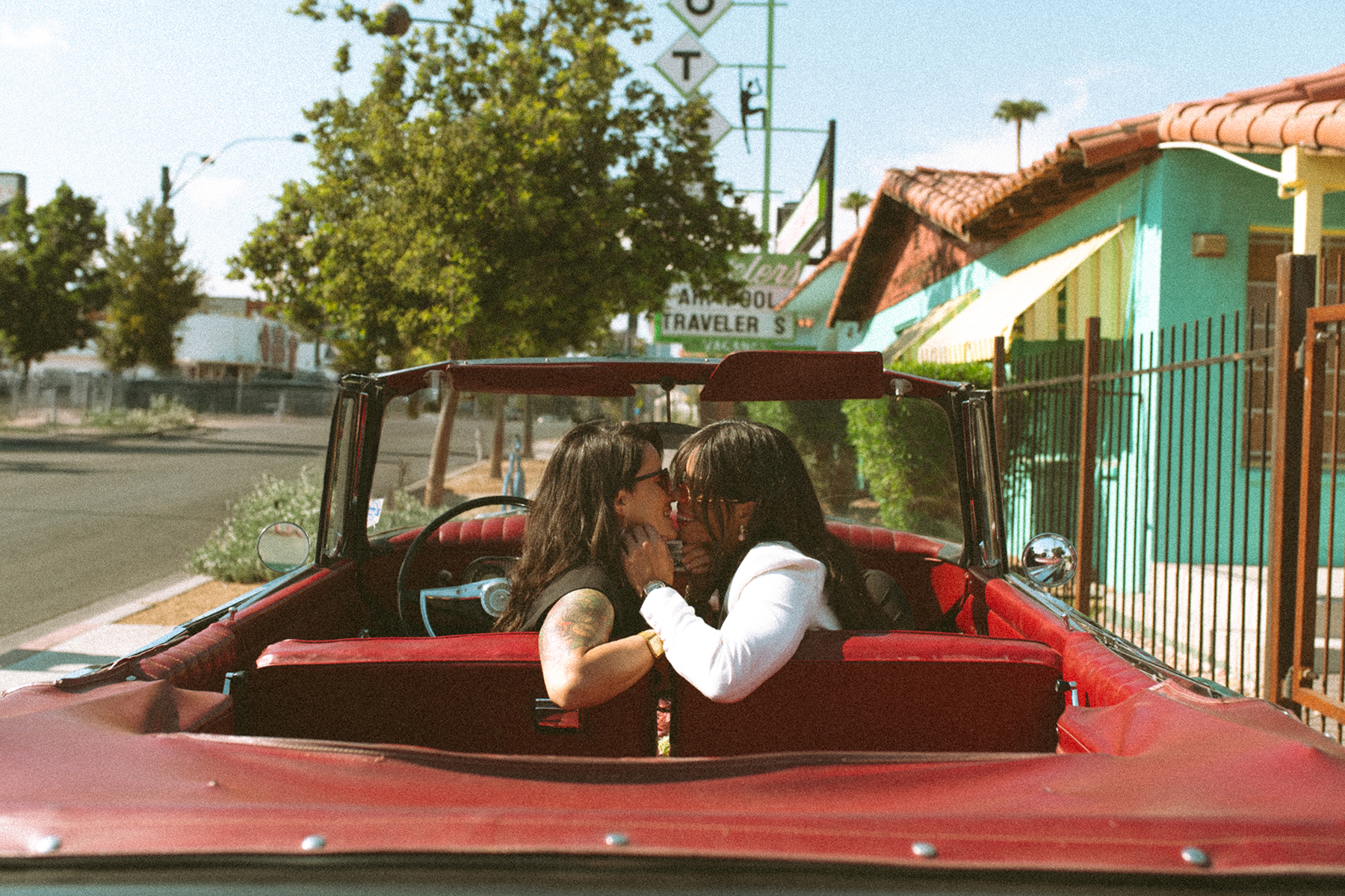
Why Lived Experience Matters in LGBTQ Wedding Photography
Many vendors describe themselves as inclusive. The phrase appears across websites, social media and vendor directories. Inclusive. LGBTQ friendly. Ally. The language sounds good. It has also become standard marketing. For couples who belong to LGBTQ communities, the difference between real understanding and surface-level tolerance shows up quickly. Some vendors support queer couples because they believe in the work. Others adopt the language because the market expects it. Those two approaches feel different on a wedding day.

I have spent years in this industry, both as a photographer and as someone within the community. At this point, I can usually tell the difference. It shows up in the way someone prepares or doesn’t. In the questions they ask. In the assumptions they make. In whether they take the time to adjust something as foundational as ceremony language, or default to what is easiest. That awareness shapes how I guide my couples. Because “inclusive” on paper does not always translate to safe in practice.
A wedding photographer who belongs to the community already understands many things without explanation. Pronouns. Chosen family. Nontraditional roles. Cultural nuance. Body image concerns. Complex family dynamics. You do not need to translate your experience.
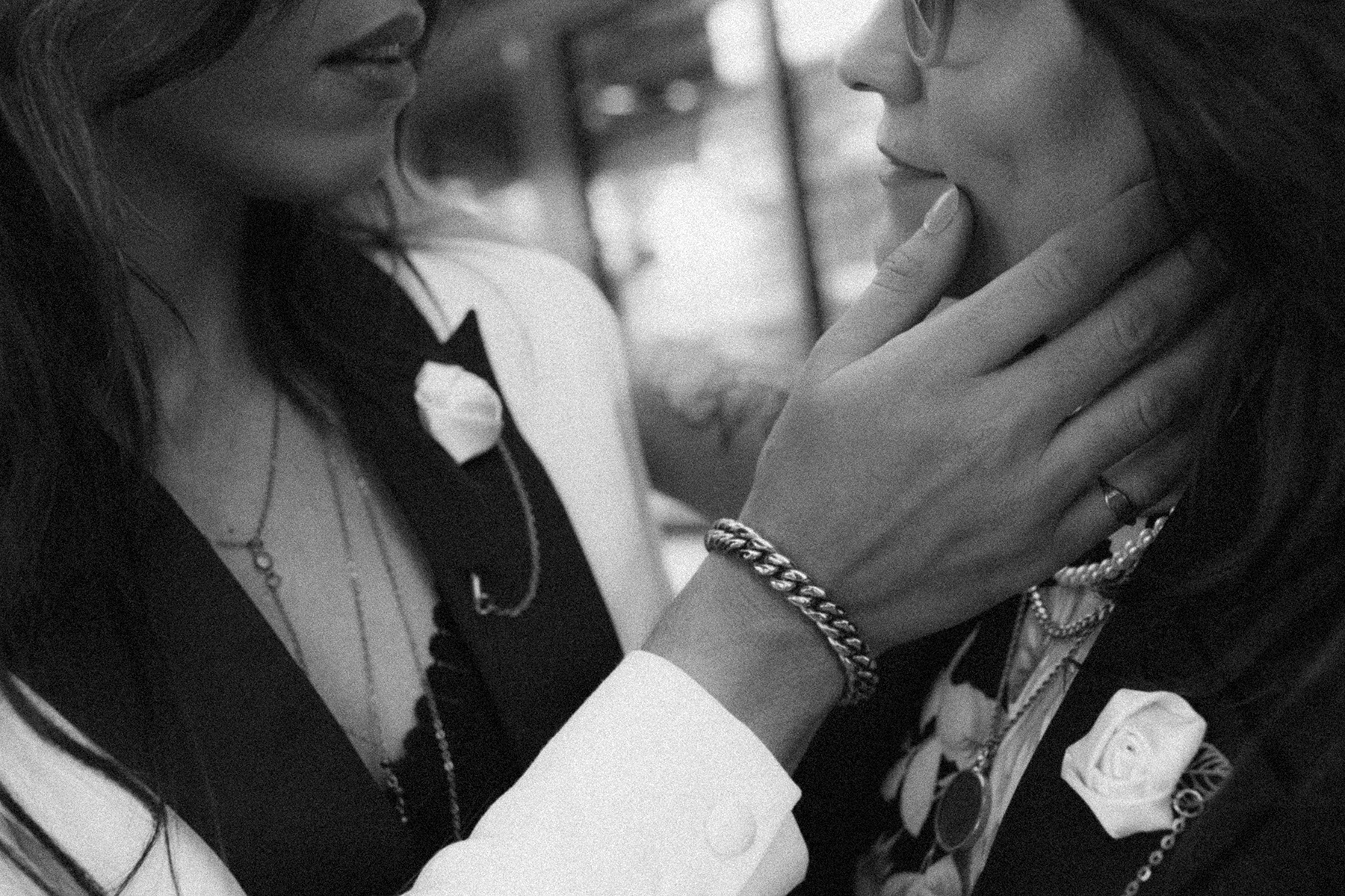
For a queer vendor like me, the room already makes sense. That familiarity changes how I move through the day. How I speak. How I direct portraits. How I respond when something uncomfortable appears. It also shapes who I choose to work alongside. Over time, I’ve built relationships with vendors who show up with that same level of awareness. Not just in words, but in practice. Florists. Planners. Makeup artists. Officiants. People who understand the responsibility of being in those spaces. That ecosystem matters more than most couples expect.
A Final Note From a Queer Wedding Photographer in Puerto Rico
Being a queer bride changed how I see everything. Not just weddings. But responsibility as a whole. I don’t approach this work as content or trends or aesthetics alone. I approach it as space-making:
For couples who want to feel normal in their love.
For people who are tired of explaining themselves.
For couples who want to feel recognized, not adjusted to fit a mold.
Because representation, safety and trust shape every image more than any aesthetic ever could. Y eso… you can’t fake.
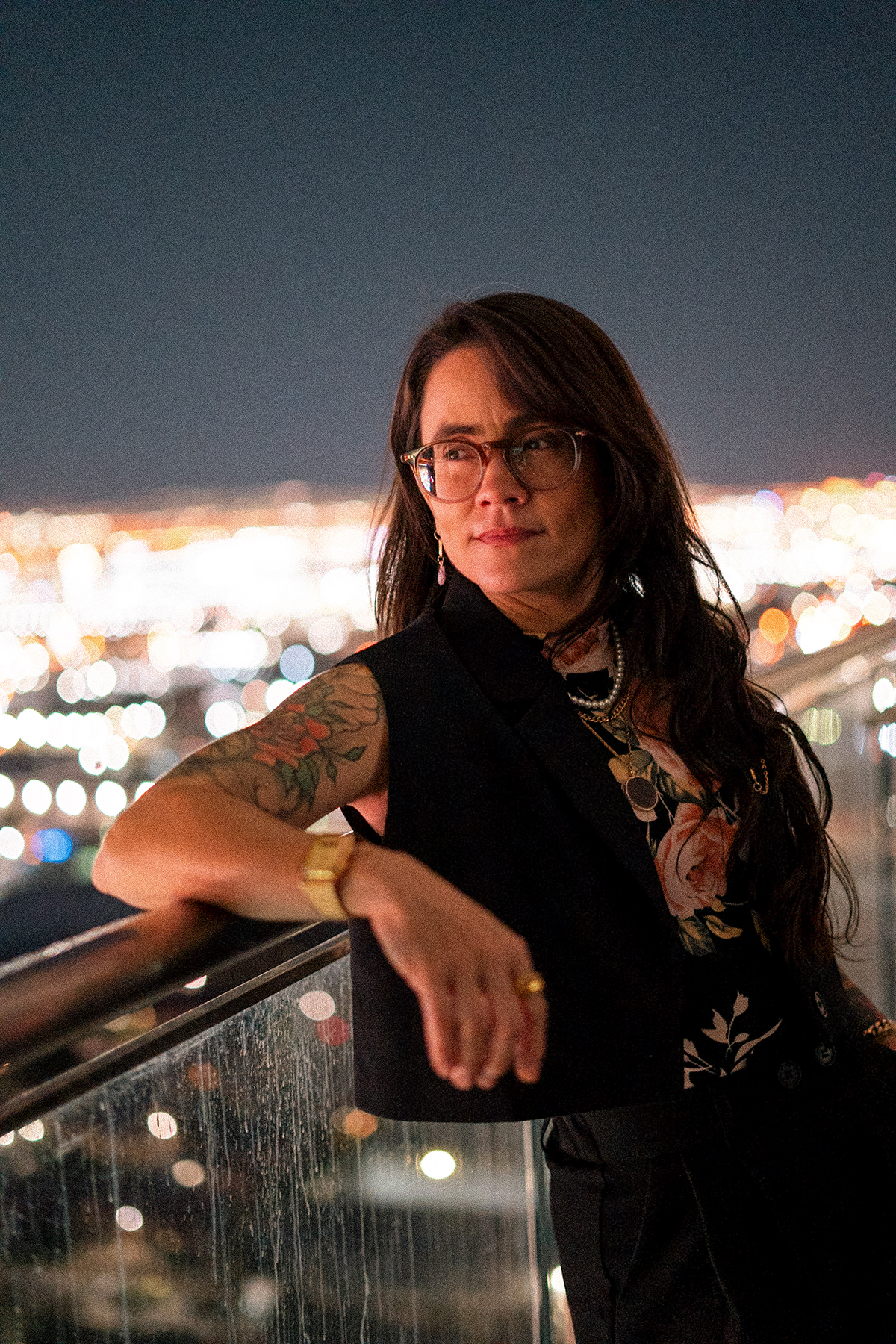
With gratitude to the vendors who made this day possible:
- Venue: Sure Thing Chapel
- Cake: Jamie’s Bakery
- Photography: Diana Jean Photography
