
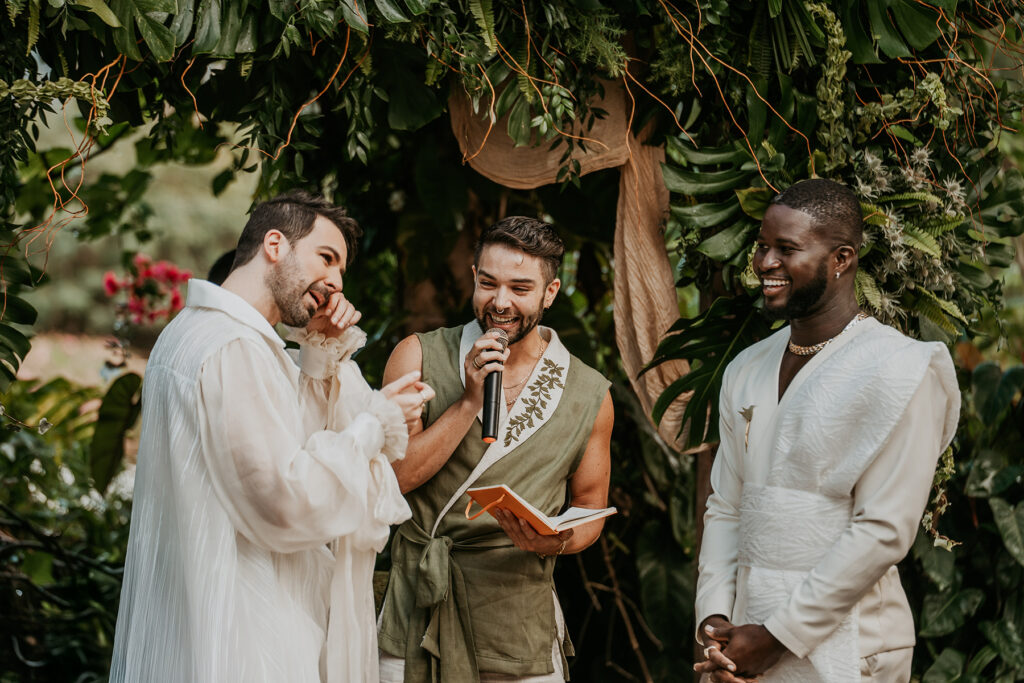
LGBTQ+ Puerto Rico Wedding Guide: How to Find Truly Inclusive Vendors
A guide for LGBTQ couples planning weddings in Puerto Rico. It breaks down how to identify safe, inclusive vendors to help you recognize real representation beyond marketing language and make informed decisions about who to trust.
WHEN CHOOSING WEDDING VENDORS
Why genuine LGBTQ+ representation matters
Safety should sit above aesthetics when choosing a wedding vendor. Words like inclusive, or LGBTQ friendly are easy to use, but they do not guarantee lived understanding. Consistency in the work is what reveals intention. When representation only appears during Pride Month or in a single styled shoot, it becomes performative rather than embedded in practice.
Real representation is present across weddings, not added when convenient or expected. This consistency is what signals whether a vendor actually understands the communities they claim to serve.
For a deeper look at how representation and intention differ in practice, you can read more here:
Why I Photograph Couples the Wedding Industry Overlooks
How to Identify Truly Inclusive LGBTQ Wedding Vendors
Understanding representation helps you evaluate vendors beyond language alone. Below are clear signs of how inclusive practice shows up in real work instead of just surface-level allyship.
Pronoun usage
Respects and uses correct pronouns without hesitation or correction.
Posing approach
Avoids gendered posing expectations and focuses on the couple’s unique dynamic instead of predefined roles.
Inclusive language
Uses neutral terms like partner instead of assuming bride or groom roles.
Contracts and forms
Uses inclusive language that reflects all identities and relationship structures.
Portfolio consistency
Shows real LGBTQ couples across multiple weddings, not isolated or styled examples.
THE INNER CIRCLE
They recommend other vendors who have done the same work.
Red Flags: Spotting the "Tokenizer"
Before you dive into portfolios, look for these signs that a vendor is using the community as a “diversity badge” rather than practicing true advocacy.
The "Vibe Check"
The “Pride Month” Pivot: If queer couples only appear on their feed in June or during social trends, they are likely seeking a “Pride boost” rather than practicing year-round advocacy.
The “Editorial” Bias: If their inclusive work only features thin, cis-passing or “conventionally attractive” couples, they may be using your identity as an edgy aesthetic. Real safety includes the full spectrum: trans, non-binary and different body types.
The “Inspiration” Interview: If you feel like you’re being interviewed as a “cool project” for their portfolio rather than a couple with a unique story, trust your gut.
Performative Paperwork: If a website screams “Love is Love” but the contract still defaults to “Bride and Groom,” the inclusivity is a veneer, not a business practice.
Questions to Ask Before Hiring
Vetting Your Wedding Photographer
Finding a photographer who is a genuine part of the community or a deeply educated advocate
- How do you approach posing for two people of the same gender or non-binary folks?
- Can you walk me through your 'getting ready' timeline for a queer couple?
- How do you handle family dynamics or guests who might not be affirming?
- Which other vendors do you love working with?
- What steps have you taken to educate yourself on LGBTQ+ inclusivity in the wedding industry?
- Are you a member of the community yourself or how do you engage with it outside of work?
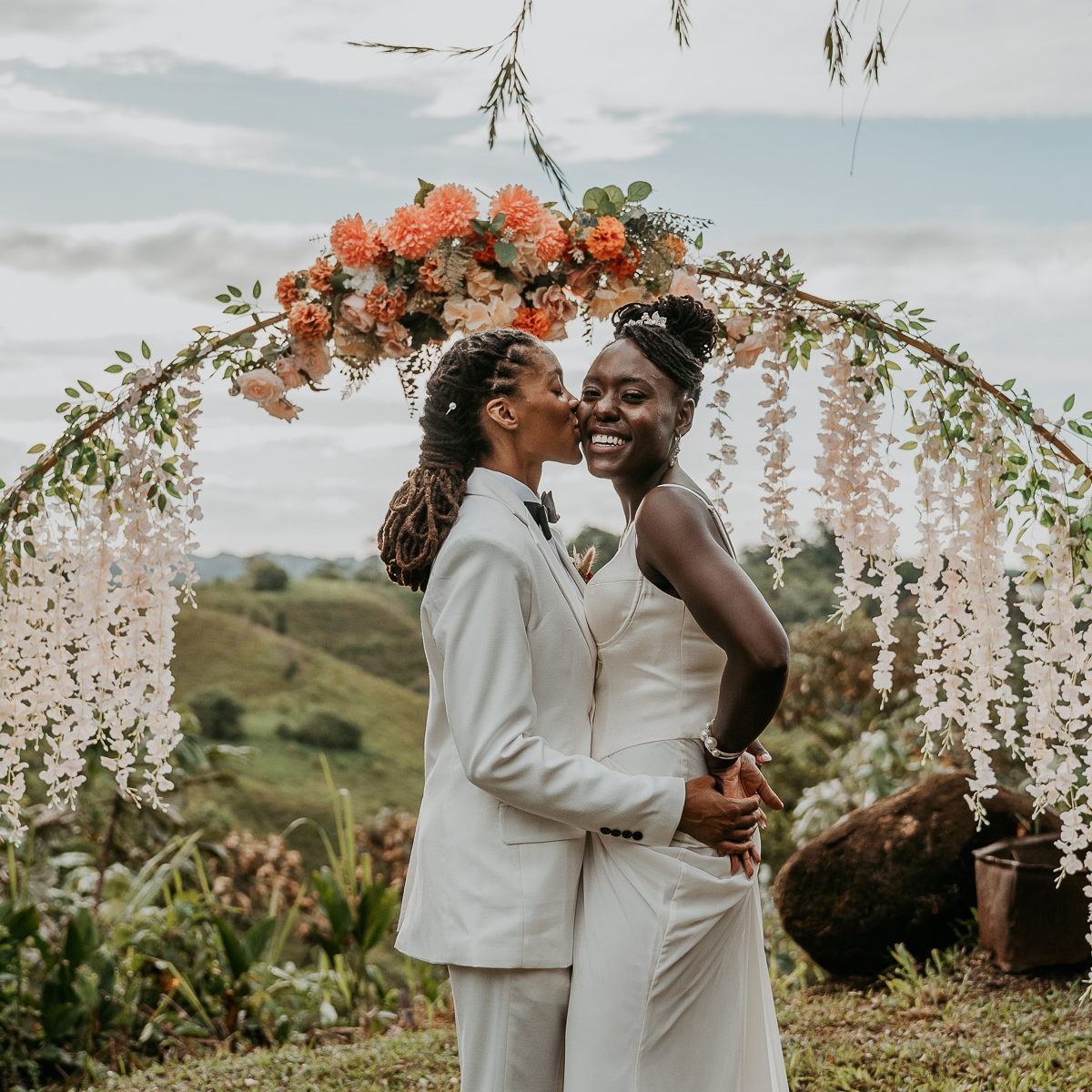
A truly safe photographer won’t be offended by these questions, they will likely be excited that you’re asking them because they value the same things you do.
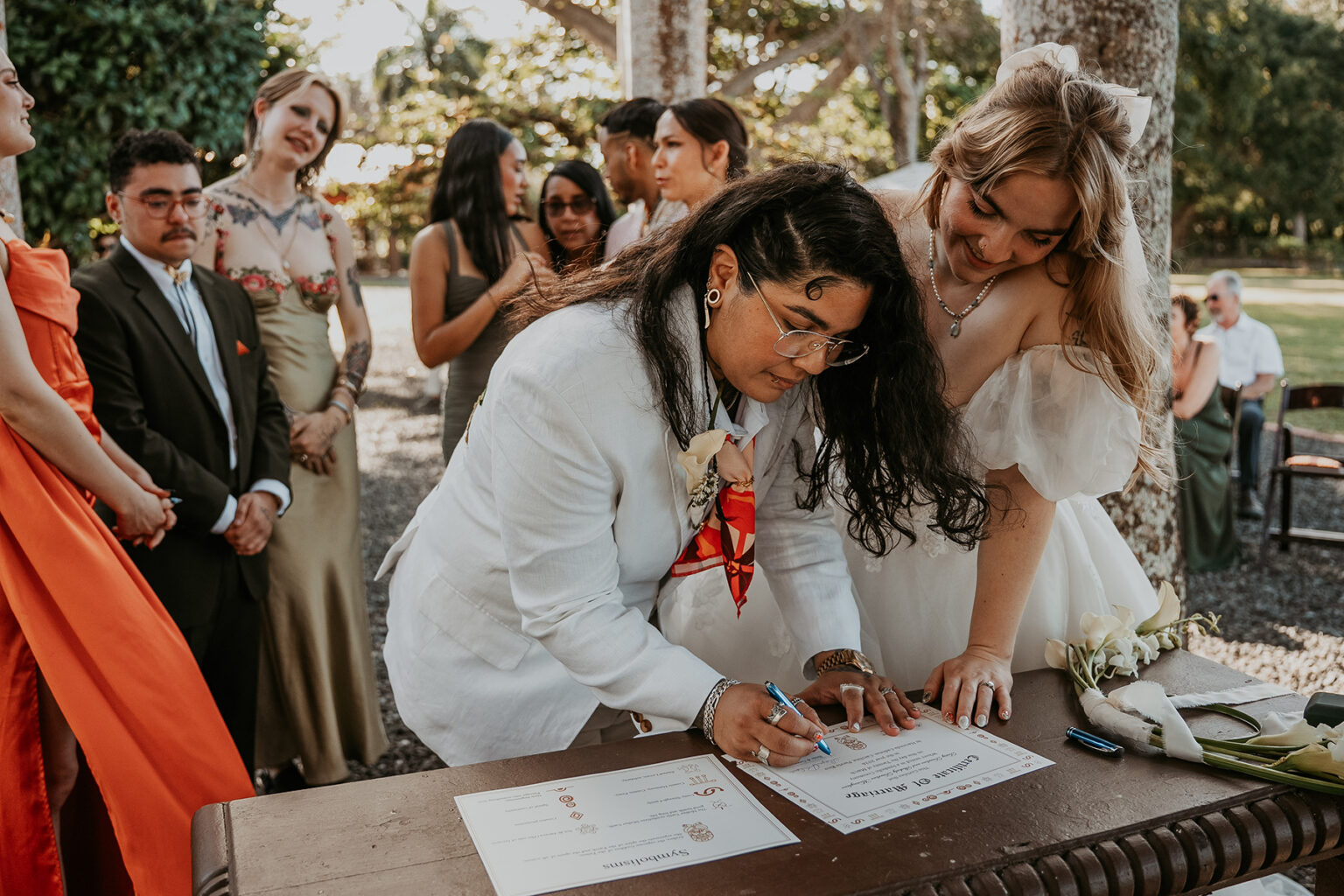
Beyond Heteronormative Standards
You don’t have to hire a queer person to be safe, but a queer photographer will often have an intuitive understanding of “the look” or the “safety check” that an ally has to study for. Here is how that intuition shapes my four pillars of service:

Lived Experience
As a queer photographer in Puerto Rico, I navigate this industry as both a professional and a community member. This dual perspective means I don’t just “document” your day; I understand the nuance of the space you are occupying. I am here to ensure you aren’t just captured, you are truly seen.
Unlearned Posing
I have intentionally stripped away the “leader/follower” gender scripts that dominate traditional wedding photography. My approach focuses on the unique chemistry between two humans. I use open-ended prompts that allow your natural dynamic to lead, ensuring the photos feel like you, not a performance.
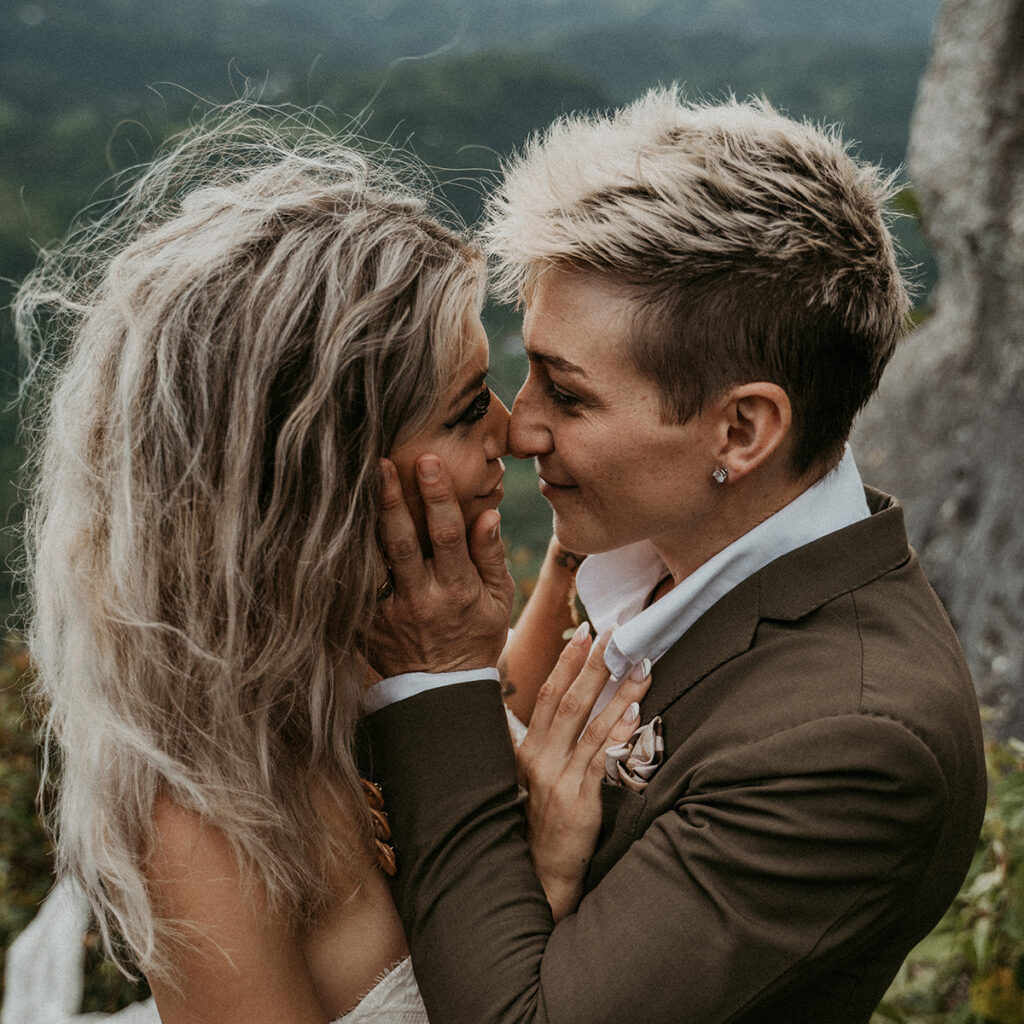
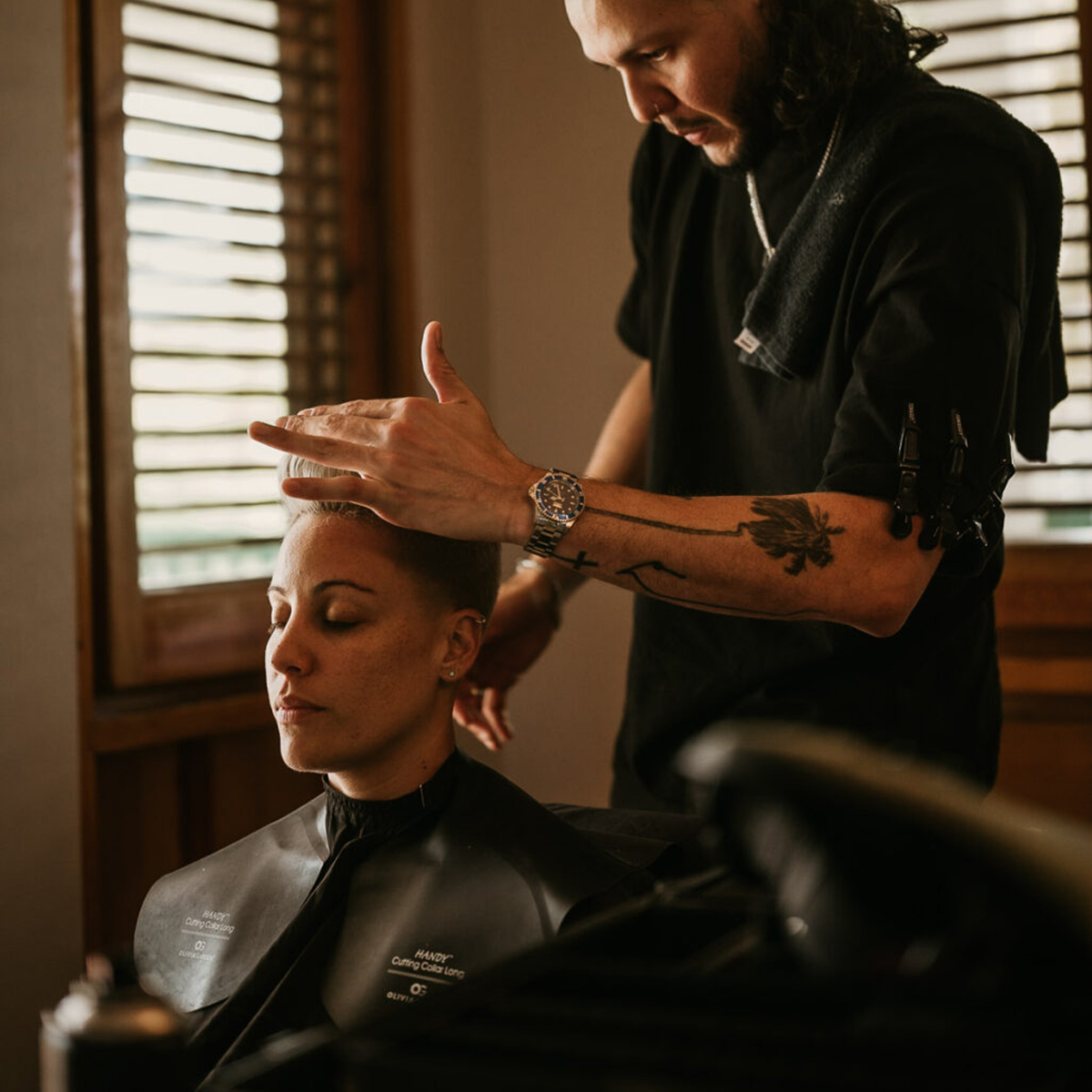
The Safety Buffer
My role goes beyond taking photos; I am your advocate. From ensuring your pronouns are respected by other vendors and guests to navigating potentially non-affirming family dynamics during portraits, I act as a protective layer so you can stay present in your joy.
Community-Rooted
I am deeply embedded in the local queer community. When I recommend a florist, a planner, or a venue in Puerto Rico, it isn’t just because their work is “pretty”, it’s because I know they are 100% safe spaces where you will be celebrated, not just tolerated.
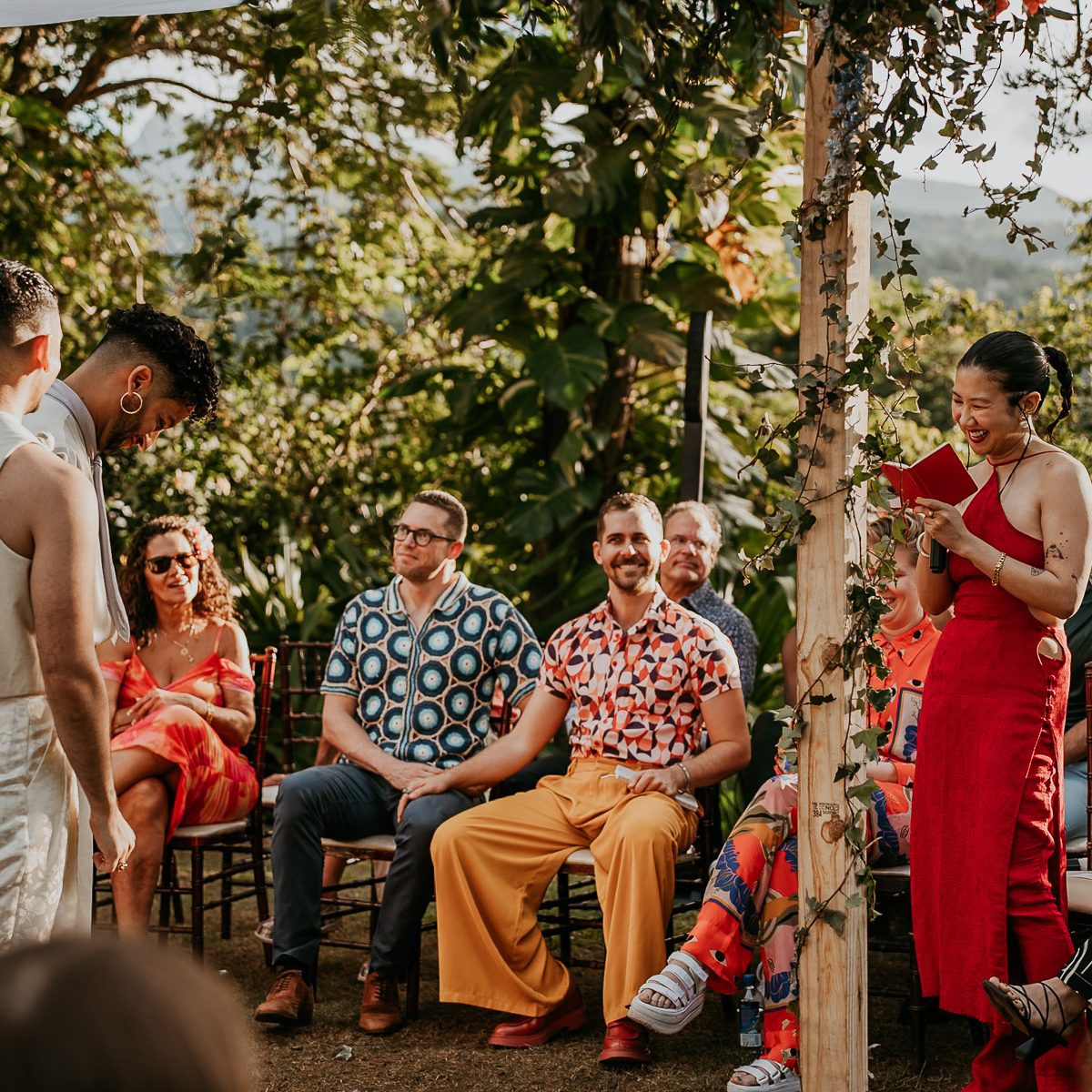
Why This Matters To Me
I understand the wedding industry not only as a vendor but as someone who has had to navigate it personally. I know the weight of the ‘safety check’ you do before booking a service, and the relief of finally finding someone who just gets it. I share more about this in What Being a Queer Bride Taught Me About Wedding Photography.
That personal history is what shapes how I hold space for my couples. It’s why I obsess over the ‘boring’ details like gender-neutral contracts and why I fight for your visibility. My goal is to create a pocket of the world where you don’t have to translate your love or defend your identity, you just get to be married.
FAQ
Are you an LGBTQ+ inclusive wedding photographer in Puerto Rico?
Yes! As a queer photographer myself, I specialize in capturing safe and inclusive weddings across Puerto Rico, from San Juan to the west coast. I am deeply committed to providing a space where LGBTQ+ couples feel fully seen and celebrated.
How do you ensure a safe experience for queer couples during a destination wedding?
Beyond photography, I act as your on-the-ground advocate. I vet locations for privacy, manage dynamics with on-site staff and help navigate the local culture so you can focus on each other.
How can we find other LGBTQ+ safe venues and vendors in Puerto Rico?
Look for venues that offer ‘Wedding Suites’ instead of ‘Bridal Suites’ and vendors who show diverse couples in their portfolios year-round. One of the perks of working with a local queer photographer is access to my ‘Safe-Space Network’, a vetted list of Puerto Rican planners, florists and venues who I know personally provide an affirming experience.
What makes a wedding photographer LGBTQ inclusive?
An inclusive wedding vendor is a professional who has intentionally adapted their business practices to serve the LGBTQ+ community with dignity and competence. Beyond just being “friendly,” inclusive vendors use gender-neutral language in contracts, respect pronouns, and have unlearned heteronormative traditions (like “Bride & Groom” defaults). They prioritize functional safety, ensuring that every couple feels seen and respected regardless of gender identity or sexual orientation.
Why should I hire a queer wedding photographer?
While many allies do great work, hiring a queer wedding photographer offers a level of intuitive safety and lived experience that is hard to replicate. As a member of the community, a queer photographer understands the nuances of gender expression, “chosen family” dynamics, and the specific anxieties that can come with navigating a traditional industry. We don’t have to “study” how to be inclusive; we move through the world with that lens, ensuring your posing feels natural and your boundaries are protected without you ever having to explain why.
What is the difference between a 'safe' vendor and one that is just 'LGBTQ-friendly'?
A ‘friendly’ vendor is willing to take your money, but a ‘safe’ vendor has done the work. Safety is found in the details: gender-neutral contracts, asking for pronouns, and unlearning heteronormative posing. A safe vendor doesn’t just use a rainbow logo in June; they provide a functional environment where you never have to ‘translate’ your love.
What are some red flags to avoid when choosing a wedding vendor?
Watch out for ‘Seasonal Allyship‘, vendors who only feature queer couples during Pride Month. Other red flags include gendered intake forms, a lack of diversity in their full galleries (not just their highlights), or a focus on your wedding as a ‘cool project’ for their portfolio rather than a celebration of your relationship.
Is it legally easy for LGBTQ+ couples to get married in Puerto Rico?
Yes! Marriage equality is the law of the land in Puerto Rico, and the legal process is the same for all couples. However, navigating local government offices (the Registro Demográfico) can be intimidating if you don’t speak the language or know the system. Part of my role as a local vendor is helping you navigate these logistics and recommending inclusive officiants who make the ‘official’ part of your day feel just as affirming and celebratory as the ceremony itself.